As you can imagine, packing your suitcase for a trip to a destination like Iceland will need more structure and planning than the average European country.
Icelandic weather is pretty unpredictable, and as someone who spent nearly four weeks here in September, I can definitely confirm that from my own experience.
In Iceland, no matter what time of the year you visit, you can expect to experience almost every type of weather condition you can think of. Okay, maybe not quite everything in every season, as you probably won’t be dealing with a snowstorm in the middle of summer (duh!), but besides that, I’m really not exaggerating.
Not only clothes and hiking gear are important to pack. As you probably already know (otherwise, you likely won’t be reading this post) Iceland is a very expensive country.
If you’re luggage allowance permits it, you can also bring certain foods into the country. This can really save you some money, so don’t sleep on it if you are going to travel to Iceland on a budget.
Hence why I thought: let’s talk about what to pack for Iceland, with a practical guide made for every season.
Without further ado, let’s dive into what to pack for Iceland. 🙂
What Season Are You Visiting Iceland?
Firstly, it’s important to get a good overview of in which season you’ll be visiting Iceland. I’ve included all four seasons below, so you can easily check what kind of weather you can expect during your trip.
Short on Time? Check Out My Favorite Iceland Hotel Stays
⚪️⚪️⚪️ Hotel Selfoss – Click to see rates and availability
⚪️⚪️ Paradise Cottages – Click to see rates and availability
⚪️ Ekra Glacier Lagoon – Click to see rates and availability
Visit Iceland in Winter
The months from November through March are generally considered as Iceland’s winter season. Temperatures are cold and vary depending on the region, but you can expect anything from around 0°C down to roughly -10°C.
These months also have the shortest daylight hours of the year, which is definitely something to keep in mind when planning excursions. At the same time, the long, dark evenings make winter one of the best periods for hunting the Northern Lights.
Snow, ice, and strong winds are all common, so driving conditions can be more challenging. If you’re planning to rent a car, make sure it is properly equipped for winter conditions, including suitable winter tires.
Visit Iceland in Spring
Spring in Iceland covers months April and May, seen as shoulder season months, and I’d say this might be one of the harder seasons to pack for. Winter slowly starts to fade, but that doesn’t mean the cold temperatures are over.
Temperatures can really fluctuate from -1°C up to 10°C, and you may experience sunshine, rain, strong wind gusts, and maybe some leftover winter conditions. In April, snow and icy conditions can still occur in different areas around the country.
Visit Iceland in Summer
June through August, the ‘hottest’ months in Iceland, are considered summer. Hot doesn’t mean 30°C like in the Maldives, but I would say reasonable, milder temperatures like 10 to 15°C. This is the time when Iceland is the most accessible for hikes, road trips, and spending longer days outdoors.
From June to August, the days are incredibly long, meaning you can expect almost 24 hours of daylight. Quick tip: bring a sleep mask if you want to get some proper sleep.
Visit Iceland in Autumn
September and October, also regarded as shoulder season months, are when temperatures start dropping again quickly (between 0°C and 10°C). The weather becomes more unpredictable; you could expect different conditions throughout the day.
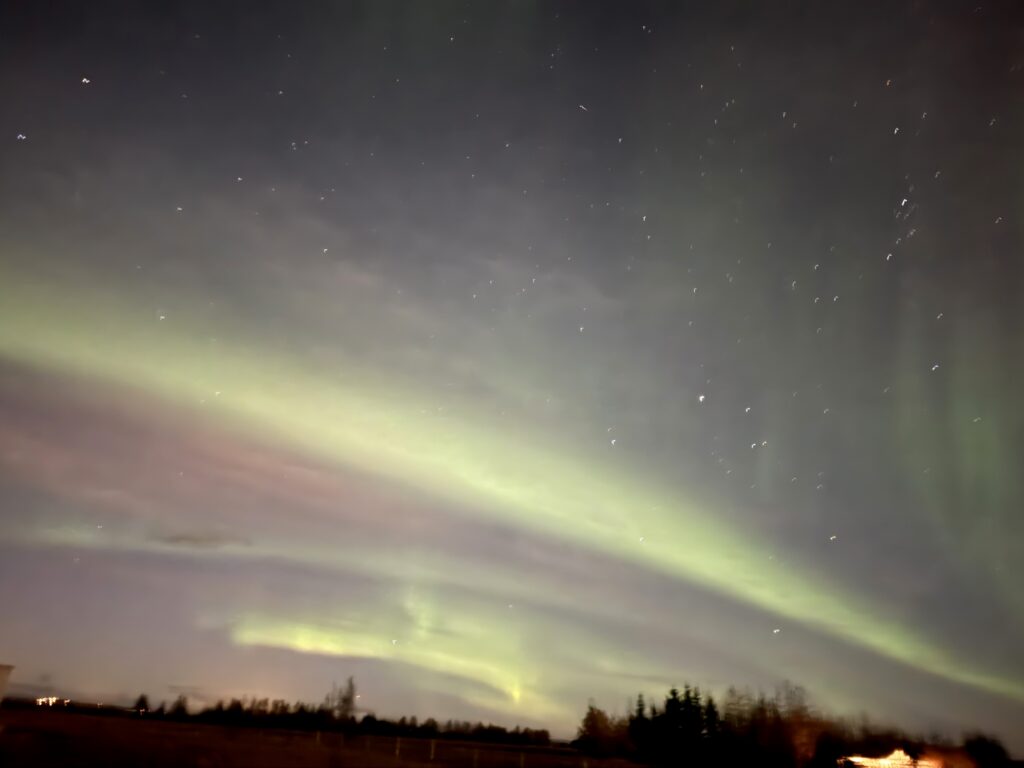
I went to Iceland in September, and this period is also when you’ll get the chance to see the Northern Lights more frequently, as evenings becomes darker again.
What Clothes to Pack for Iceland
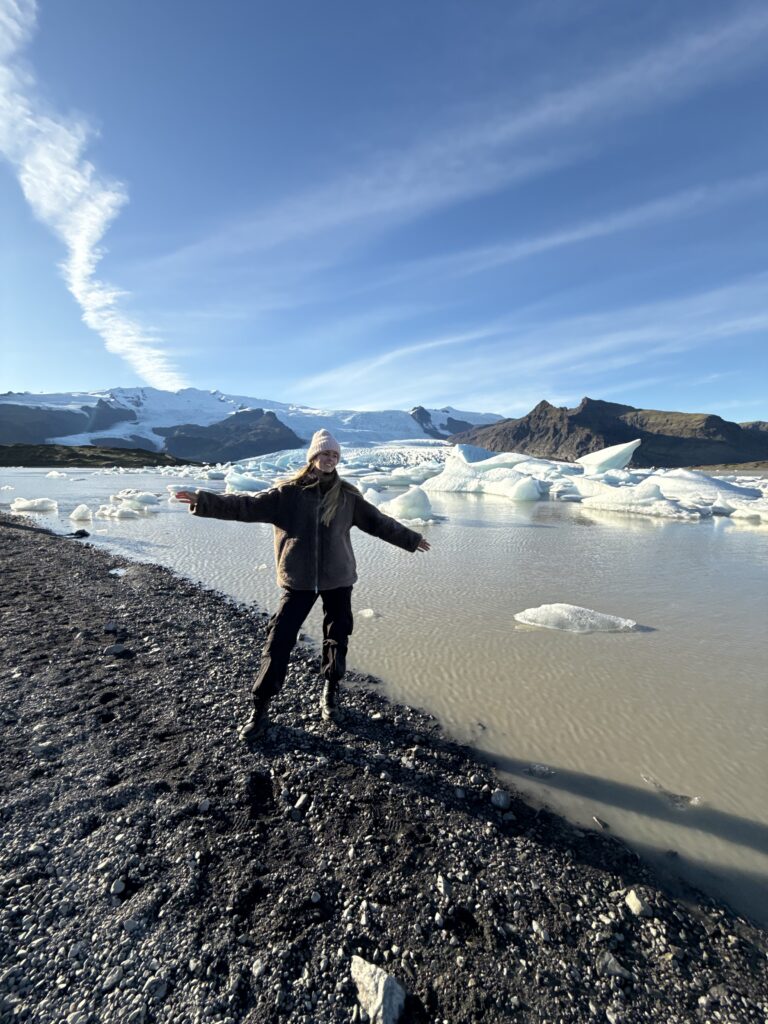
What to pack for Iceland? One word and one word only: LAYERS! I’m serious, this is all you need for your Iceland trip. The weather can change so quickly, so you got to be prepared for all conditions. It’s better to overpack yourself instead of needing to buy some extra clothes in Iceland, and they are NOT cheap.
Base layers: closest to your skin
What to pack:
- Breathable shirts
- Long-sleeve tops
- Thermal or merino wool base-layer tops: merino wool dries quickly
- Thermal leggings
- Sport bras: I wore them a lot throughout the day as it sits more comfortably
- Underwear
- PJ’s
Mid layers: provide warmth and easy to remove
What to pack:
- Fleece jacket or pullover
- Wool sweater
- Lightweight insulated jacket
- Comfortable trousers or hiking pants
Outer layers: protects you from Iceland’s dramatic weather conditions
What to pack:
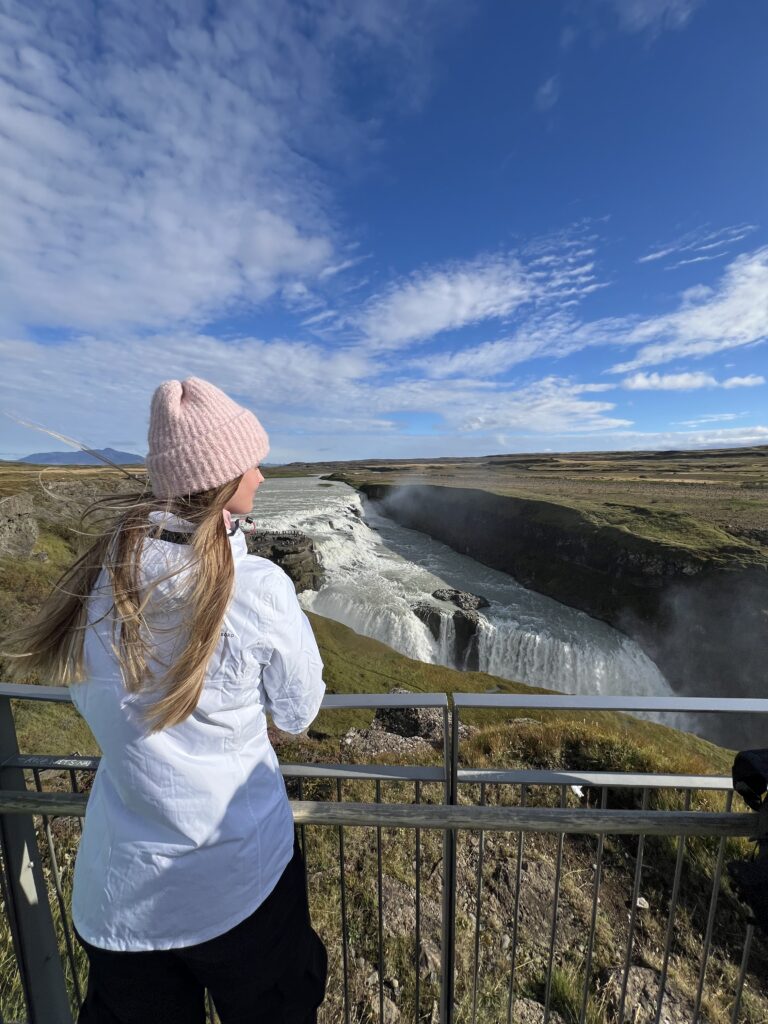
- Waterproof and windproof jacket
- Waterproof trousers
- Warm insulated coat: much needed when visiting during winter months
Footwear
What to pack:
- Waterproof hiking shoes or boots: you really need good grip, especially during winter
- Comfortable socks
- Waterproof merino wool socks
- Sneakers or walking shoes: comfortable for in the city and evening walks
- Flipflops: for visiting geothermal pools & hot springs
- Optional: ice grips when visiting during winter
Accessories
What to pack:
- Gloves
- Warm hat or beanie
- Scarf or neck gaiter
- Sunglasses
- Swimsuit: to bring in all seasons, as you can visit a geothermal pool, lagoon or hot spring
- Hair ties
- Small daypack
- Reusable water bottle: tap water is completely free and safe to drink anywhere in the country
- Cover for daypack or waterproof bag
- Sleep mask: for summer, because of the long daylight hours
- Quick-dry towel: easy to take with you if you visit the lagoon or hot springs
Toiletries
What to pack:
- Toothbrush and toothpaste
- Deodorant
- Shampoo and conditioner: especially needed as the weather dries out your hair, and to save your hair from harsh minerals in the lagoon!
- Moisturizer: must if you go in winter
- Lip balm: must if you go in winter
- Sunscreen: MUCH needed!!!
- Personal hygiene products
- Blister plasters
- Basic painkillers
- Ziplock bags: for wet swimsuits
- Optional: prescription medication
- Optional: glasses
- Optional: contact lenses and solution
You can buy some of your toiletries in Iceland, but to save money I would recommend taking it with you from home, to avoid unnecessary costs.
Electronics & other essentials
What to pack:
- Phone
- Phone charger
- Power bank: as you’ll probably be on the road all day and during winter batteries drain faster because of the cold weather
- Plug adapter
- Spare camera battery
- Memory cards
- Car charger: recommended if you’re doing a road trip
- Headphones
- Earplugs
- Offline maps downloaded: or your data bundle will be gone in no-time
- Waterproof phone case
- Drone: it will give you the most epic shots of Iceland!
- Optional: tripod, it’s a must if you want to take some good pics of the Northern Lights
Documents
What to pack:
- Passport or ID
- Driver’s license: if renting a car
- Travel insurance
- Accommodation confirmation(s)
- Tour bookings
- Rental-car documents
- Payment cards: for Europeans, credit card is needed!
- Emergency contact info
Quick tip: when renting a car in Iceland, if you fill up your tank, gas stations will reserve a certain amount of your credit card, so be aware to raise your limit.
What not to pack
Besides all the things you need to pack, there are also some essentials which are not needed to bring.
- Jeans: I brought 2 pairs of jeans, never wore them. Comfy clothes > Stylish clothes in Iceland
- Umbrella: it’s too windy to use, so it will be destroyed before you know it
- Fancy shoes: you really don’t need them!
What Food to Bring to Iceland to Save Money
I’ve already mentioned it a couple times, but the food prices in Iceland are no-joke. So, if you have some space and weight left in your luggage, it’s a smart idea to take some lightweight, shelf-stable foods to Iceland.
Food I recommend taking with you to Iceland:
- Protein bars
- Muesli bars
- Dried fruits
- Instant oatmeal
- Pasta
- Snacks, like nuts, chocolate bars etc.
- Tea or coffee
You might be thinking, why are there no instant noodles on this list? Well, we brought some with us, but the prices were similar to those in the Netherlands, so they weren’t worth taking with us, as they take up quite a bit of space.
Important note: Always check Icelandic Customs rules before departure, to be sure what to take from your country. Current rules also place limits on how many KG you can bring into the country, so better be prepared.
Final Thoughts on What to Pack for Iceland
So, now we’ve covered almost everything you need to pack for your Iceland trip. If I had to give one last packing tip, it would be this: pack a good amount of anticipation and good vibes, as your Iceland trip will 100% be one you won’t ever forget.
You might need to take a bit more with you than on a European summer holiday, but it’s so worth it. Making sure you’re prepared for all kinds of weather gives you a certain peace of mind, which, in my opinion, makes the trip so much more fun.
Also, being able to change plans on the fly because you have everything ready is great, as weather conditions can always throw a curveball.
Having said that, there’s one last thing to say: enjoy the trip to the fullest, and I hope my packing tips & tricks have helped you prepare for the trip of a lifetime.
Check My Other Iceland Blogs
The Best Waterfalls in Iceland: Add These Waterfalls to Your Iceland Itinerary
What’s the Best Month to Visit Iceland? My Honest Opinion & Thoughts
The 9 Best Activities to Do in Iceland: Things to Do & Which Activities I Would Recommend
5 Days South Coast Iceland Itinerary: My Top Route & Tips
Iceland Budget: Daily Costs & Money-Saving Tips for Your Iceland Trip
Check My Other Reykjavík Blogs
Spend 24 Hours in Reykjavík Iceland: What I Did and What I Recommend
Whale Watching Tour in Reykjavík Iceland: My Honest Review
Where to Stay in Reykjavík: My Favorite Areas and Hotel Stays