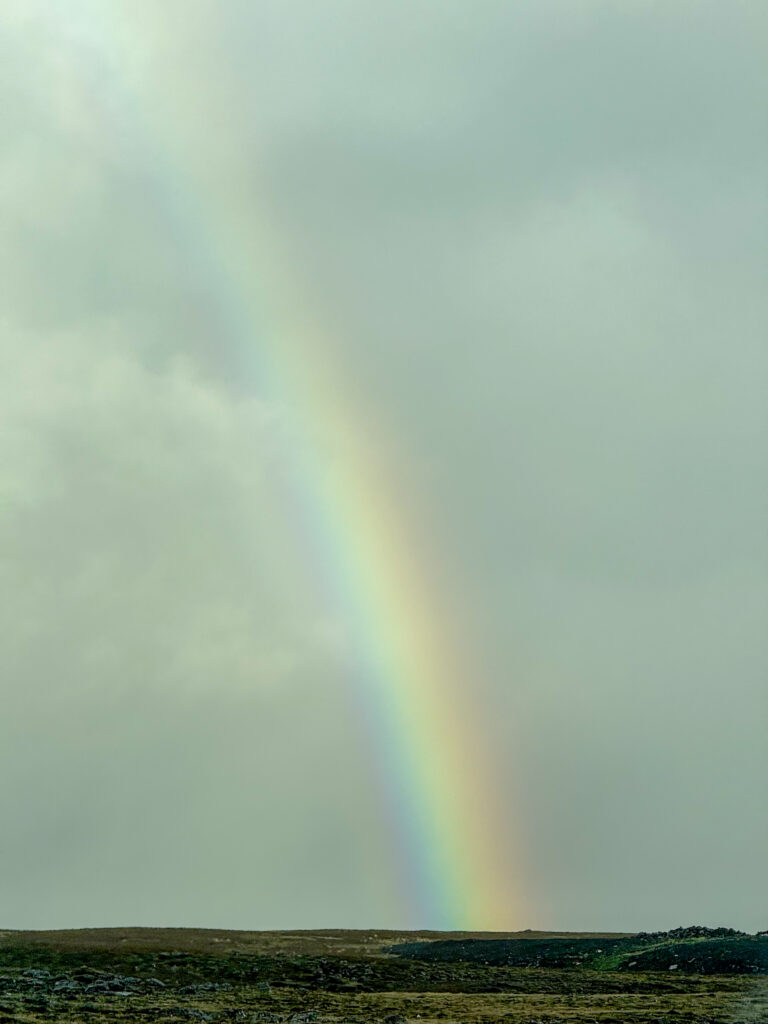
Icelandic weather can be incredibly unpredictable, no matter what time of year you visit the country. It can genuinely feel like you experience several seasons in one single day. So, if you’re wondering what is the best month to visit Iceland? I’d advise you to be prepared and pack a bit of everything, as you can expect all different weather conditions, regardless of the season.
When we visited Iceland in September, we pretty much experienced how it felt to have all four seasons in a single day. I still remember one morning starting full of sunshine and perfect conditions.
Then, completely out of nowhere, the weather turned quickly. We had heavy rain for about an hour, followed by a hailstorm, and just a few hours later the sky cleared up as if nothing had happened. Besides that, we still had the absolute best trip, so even a bit of ‘bad’ weather didn’t ruin anything at all.
If you’re wondering when to expect the best weather in Iceland, which months are best for activities like whale watching in summer or glacier hiking in winter, and how many daylight hours you can expect, I’ve broken it all down month by month.
I did a lot of research before my own trip, so this guide brings the most useful information together in one place and, hopefully, makes it a lot easier to plan when you want to visit Iceland.
What is the Best Time to Visit Iceland? My Quick & Honest Answer
I might have already given it away in the introduction, but for me, September is one of the best months to visit Iceland for the first time. It falls just after the busy and more expensive summer season, which means slightly lower prices in September and also fewer crowds, yay!
Short on Time? Check Out My Favorite Iceland Hotel Stays
⚪️⚪️⚪️ Hotel Selfoss – Click to see rates and availability
⚪️⚪️ Paradise Cottages – Click to see rates and availability
⚪️ Ekra Glacier Lagoon – Click to see rates and availability
What I especially loved about September was the balance between all the factors that I was looking for. The weather was already starting to feel a little more autumnal, but temperatures were still acceptable, yet most of our plans were still easy to fit into the day as we had about 12 hours of daylight.
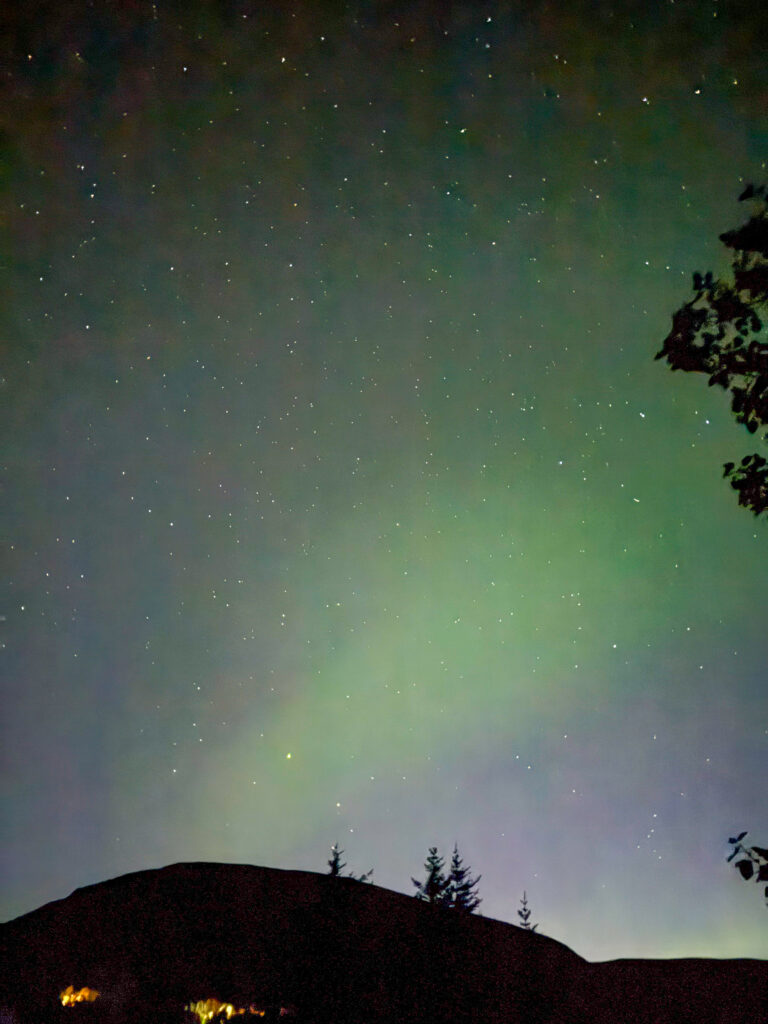
The darker evenings also meant we had a chance of seeing the Northern Lights, which had been on my bucket list for such a long time. Spoiler: we saw them and I couldn’t be happier!!
What is the Best Month to Visit Iceland? Each Month Explained
One thing I quickly learned while planning my Iceland itinerary, is that choosing the right month can completely shape the kind of trip you’ll end up with. Some months are better for longer road trips and hiking, while others have a higher chance of spotting the Northern Lights, walking on glaciers, and a proper winter scenery.
Below I’ll break down what kind of weather you actually could expect each month and what I’d personally keep in mind before booking. I also picked some activities you could think of during each month.
Weather in Iceland in January
The weather in January is cold, dark, and very changeable. You can expect a lot of snow, icy roads, very strong winds, and rain or sleet. It isn’t guaranteed, but everything is possible, especially around the coast.
The best activities to do in Iceland in January:
Visit geothermal lagoon
Explore Reykjavík
Visiting Iceland in January is great if you want the full Icelandic winter experience, but I’d keep your itinerary very flexible because road conditions can change quickly and throw a wrench in the works when it comes to planned activities.
Weather in Iceland in February
In February it’s still winter, although daylight hours increase noticeably throughout the month. You can still expect very cold temperatures, snow, icy conditions, rain, and windy days.
The best activities to do in Iceland in February:
Snowmobiling
I think February is very interesting if you like the winter scenery but want more daylight hours for activities than you get in months like December and January.
Weather in Iceland in March
The weather in March sits between winter and spring, so you can expect quite a bit of everything. Don’t rule out snowstorms, as they are still possible during the month, but you can expect longer days and slightly milder periods.
The best activities to do in Iceland in March:
Visit waterfalls along the south coast
For me, March would be one of the better choices if you’d like to do some winter activities without dealing with the very shortest days of the year.
Weather in Iceland in April
In April, spring starts becoming more noticeable, but don’t expect consistently warm or sunny weather. You can still encounter snow and colder conditions, mixed with rain, sunshine, and increasingly mild days.
The best activities to do in Iceland in April:
Visiting waterfalls
Whale watching from Reykjavík
Spot the Northern Lights early in April
Weather in Iceland in May
May is generally one of the drier months of the year, with longer days and milder temperatures. You can still get wind and rain, of course, but conditions tend to feel noticeably more spring-like.
The best activities to do in Iceland in May:
Waterfall hopping
Whale watching from Reykjavík
Spot puffins (the Icelandic penguin look-a-like)
Explore the South and West coasts
Weather in Iceland in June
June brings some of the mildest weather conditions of the year and is also one of the drier months, although a bit of rain and wind during the day is still possible. The biggest advantage in June is the extraordinary amount of daylight.
The best activities to do in Iceland in June:
Ring Road roadtrip
Waterfall hopping
Spot puffins
Whale watching from Reykjavík
Exploring until late into the evening under the Midnight Sun
Weather in Iceland in July
July is usually one of Iceland’s most pleasant months, although “summer” here still means “bring your waterproof jacket”. You’ll generally experience relatively comfortable temperatures, many daylight hours which means longer days, and some rain or strong winds.
The best activities to do in Iceland in July:
The Ring Road roadtrip
Waterfalls
Puffin watching
Whale watching from Reykjavík
Kayaking
Longer road trips around the country
July is of the easiest months for accessing more remote parts of the country, although you should check road and trail conditions before going out.
Weather in Iceland in August
Still relatively mild, but rainfall and wind can become more noticeable as summer slowly starts transitioning towards autumn. Early August still has very long days, while the evenings become noticeably darker towards the end.
The best activities in Iceland in August:
Ring Road trip
Hiking
Whale watching from Reykjavík
By late August, you actually get the first opportunities to spot the Northern Lights.
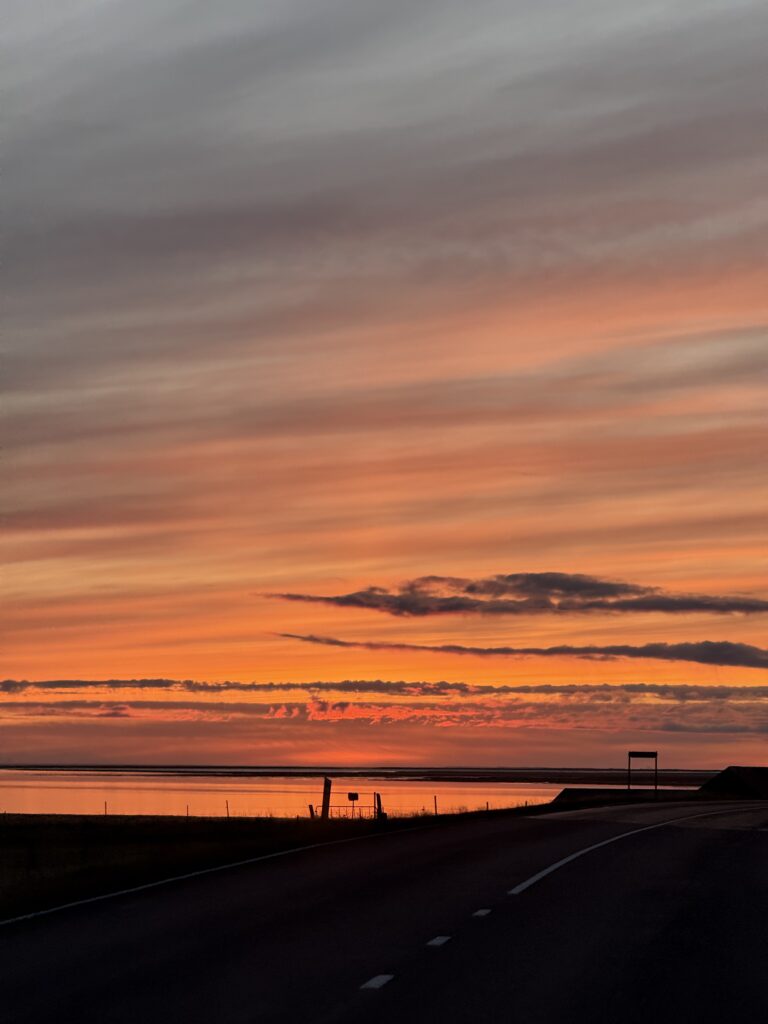
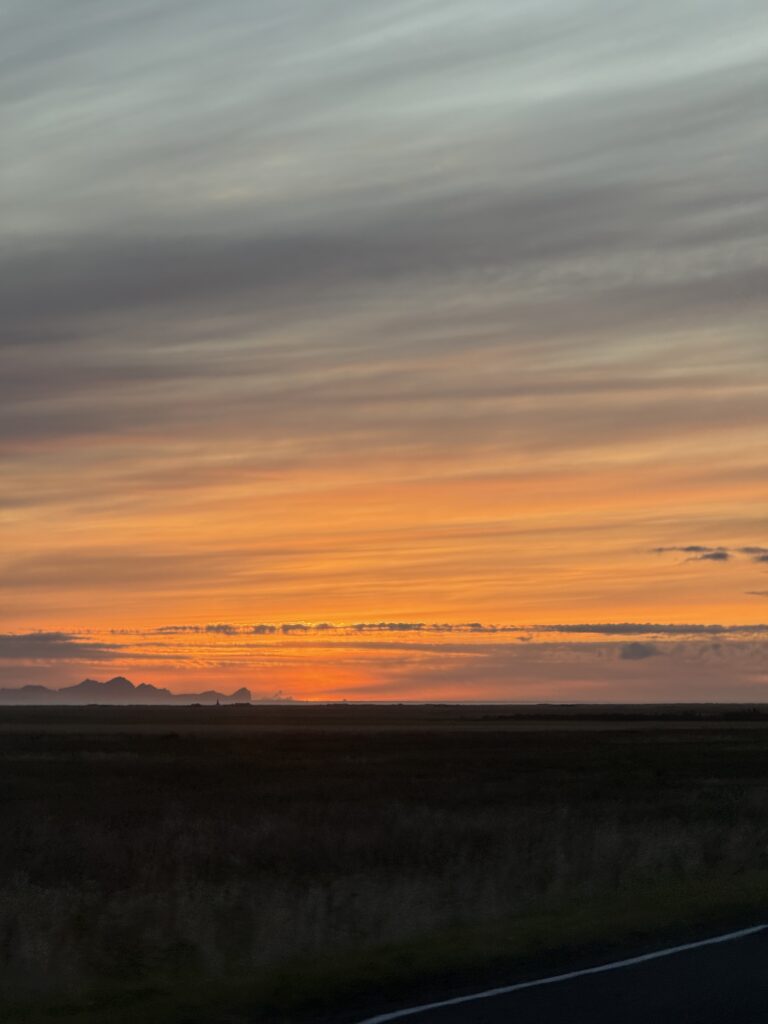
Weather in Iceland in September
This is exactly why I like September so much: it’s a real transition month. You can expect to have sunshine, rain, wind, hail, or even snow, sometimes within a surprisingly short period.
The best activities to do in Iceland in September:
Visit waterfalls
Whale Watching from Reykjavík
For me, September gives you one of the best combinations of decent daylight hours and dark evenings.
Weather in Iceland in October
Autumn really starts taking over, with colder temperatures, stronger winds, more frequent storms, and increasing chances of snow or ice. Daylight also disappears quite quickly throughout the month.
The best activities to do in Iceland in October:
Geothermal spa
Natural ice-cave tours also begin operating around this part of the year with some providers, although availability depends heavily on conditions, so schedule it as early in your trip as you can, to have back-up days.
Weather in Iceland in November
November feels firmly wintery. Expect cold temperatures, long nights, rain, snow, icy roads, and potentially strong winds.
The best activities to do in Iceland in November:
Geothermal pools
November is one of the months when I’d personally be more cautious about building a self-drive itinerary, because weather and road conditions can seriously interfere with your plans.
Weather in Iceland in December
December is the month that has the shortest days of the year, with very cold temperatures, snow, ice, wind, and rapidly changing weather conditions. You can expect stormy weather, weather can happen, so flexibility becomes especially important.
The best activities to do in Iceland in December:
Geothermal lagoons
Christmas market in Reykjavík
It’s a beautiful month for a proper winter trip, but personally I wouldn’t choose visiting Iceland in December if your main goal is seeing as much as possible in a couple days.
Daylight Hours in Iceland
Daylight hours in Iceland change a lot each month, which can have an impact on things you want to do and see during your trip. In summer, you can enjoy almost endless daylight (I would really like to experience that one day), while winter brings much shorter days with only a few hours, where it feels like you wake up in the dark and go to bed when it’s dark.
Daylight Hours in Iceland in January
Beginning of January: around 4,5 hours.
End of January: around 7 hours.
January is one of the darkest months, so it’s important to plan your trip carefully when visiting in the month January, as you have limited time.
Daylight Hours in Iceland in February
Beginning of February: around 7 hours.
End of February: around 10 hours.
Daylight Hours in Iceland in March
Beginning of March: around 11 hours.
End of March: around 13,5 hours.
Useful tip: March is interesting as you have decent daylight for exploring while it’s still dark enough to hunt for Northern lights.
Daylight Hours in Iceland in April
Beginning of April: around 13,5 hours.
End of April: around 16,5 hours.
Daylight Hours in Iceland in May
Beginning of May: almost 17 hours.
End of May: around 20 hours.
Daylight Hours in Iceland in June
Beginning of June: around 20 hours.
End of June: around 21 hours.
Useful tip: In June you can experience Iceland’s famous Midnight Sun. Around the summer solstice, Reykjavík gets more than 21 hours between sunrise and sunset, with twilight filling much of the remaining time.
Daylight Hours in Iceland in July
Beginning of July: almost 21 hours.
End of July: around 18 hours.
This is a popular month for road-tripping Iceland’s Ring Road, also known as Route 1. Following this route takes you on a full loop around the country.
Daylight Hours in Iceland in August
Beginning of August: around 18 hours.
End of August: around 14,5 hours.
Daylight Hours in Iceland in September
Beginning of September: around 14,5 hours.
End of September: around 11,5 hours.
Useful tip: September is my favorite month for almost perfect balance between reasonable weather, many daylight hours and the possibility to go hunting for Northern Lights.
Daylight Hours in Iceland in October
Beginning of October: around 11,5 hours.
End of October: around 8 hours.
Daylight Hours in Iceland in November
Beginning of November: around 8 hours.
End of November: around 5 hours.
In November you’ll have more chance of spotting Northern Lights, and it also gives enough darkness for stargazing, depending on weather conditions.
Daylight Hours in Iceland in December
Beginning of December: around 5 hours.
End of December: around 4,5 hours.
Useful tip: December is a great month for night activities, as it offers some of the longest periods of darkness in Iceland. Day activities need more planning, as you have very limited time.
FAQ About the Best Month to Visit Iceland
What is the best month to visit Iceland?
Personally, for a first-time visit to Iceland, I would choose March or September. Both months offer enough daylight hours to explore a big part of the country, even if you’re only visiting for max. a week. The weather conditions are less extreme comparing to the other surrounding months, while the darker evenings still give you a good chance of spotting the Northern Lights.
What is the best month to spot whales?
From my own experience, September was absolutely amazing for whale watching, as we were lucky enough to see them. That said, if spotting whales is one of your main activities during your visit, I’d aim for one the summer months: June, July, or August.
What is the best month to hike on a glacier?
If you want that a glacier covered in snow, I’d personally consider January through March, when winter conditions are more established. March would probably be my pick, because you still get that wintery scenery, but with more daylight than in January or February and slightly better weather conditions.
What is the cheapest month to visit Iceland?
If you want to travel to Iceland on a budget, I’d go look at February, with January and November also being good budget-friendly options. February is often one of the cheaper months for flights and accommodation.
Which month is the most expensive to visit Iceland?
The summer months, July and August, are usually the most expensive months to visit Iceland, as this is peak season. Demand for flights, rental cars and accommodation are all at its highest, because of the long daylight hours, easier road conditions and European summer break. Check here what expenses you can expect in Iceland.
Is Iceland worth visiting?
Although Iceland is an expensive travel destination, I would say this country it’s 100% worth visiting. It’s one of those destinations that feels completely different from all the other places I’ve been, a bit similar to New-Zealand maybe, but visiting Iceland was such a special trip. I’d highly recommend visiting Iceland at least once in your life!
Final Thoughts About the Best Month to Visit Iceland
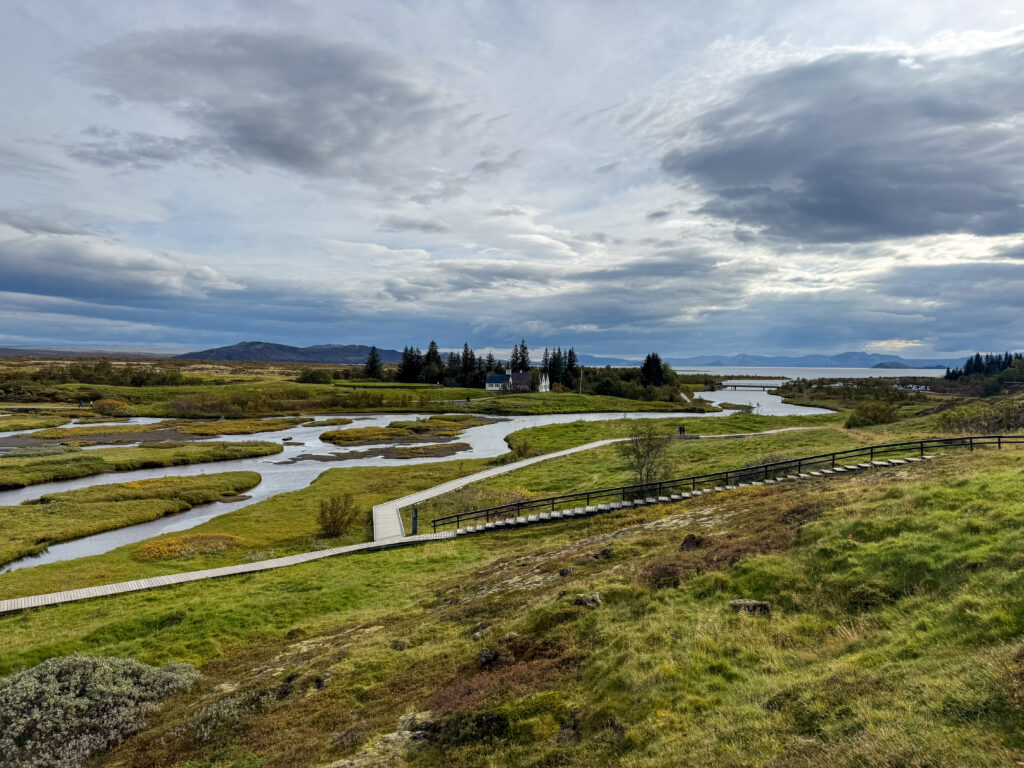
After looking at all the seasons, comparing weather conditions, daylight hours and everything, I still think March and September are two of the best months to visit Iceland for the first time.
Both months give you a sweet balance between exploring in proper daylight and still being able to also experience darker evenings as well.
Personally, September would still be my first choice. Right after the busy summer months, while the temperature is still manageable, and you can explore all the sights on your own pace.
I also loved that it already felt like it was autumn but still felt summer-ish at the same time because of the milder temperatures.
Hopefully, you’ll now be able to compare the different months based on the activities you want to do and the things you’d like to see. Have an amazing trip to Iceland!
Check Out My Other Iceland Blogs
The Best Waterfalls in Iceland: These Waterfalls are a MUST to Add to Your Iceland Itinerary
What to Pack for Your Iceland Trip? Check My Useful Packing Guide
The 9 Best Activities to Do in Iceland: Things to Do & Which Activities I Would Recommend
5 Days South Coast Iceland Itinerary: My Top Route & Tips
Iceland Budget: Daily Costs & Money-Saving Tips for Your Iceland Trip
Check Out My Other Reykjavík Blogs
Spend 24 Hours in Reykjavík Iceland: What I Did and What I Recommend
Whale Watching Tour in Reykjavík Iceland: My Honest Review
Where to Stay in Reykjavík: My Favorite Areas and Hotel Stays